
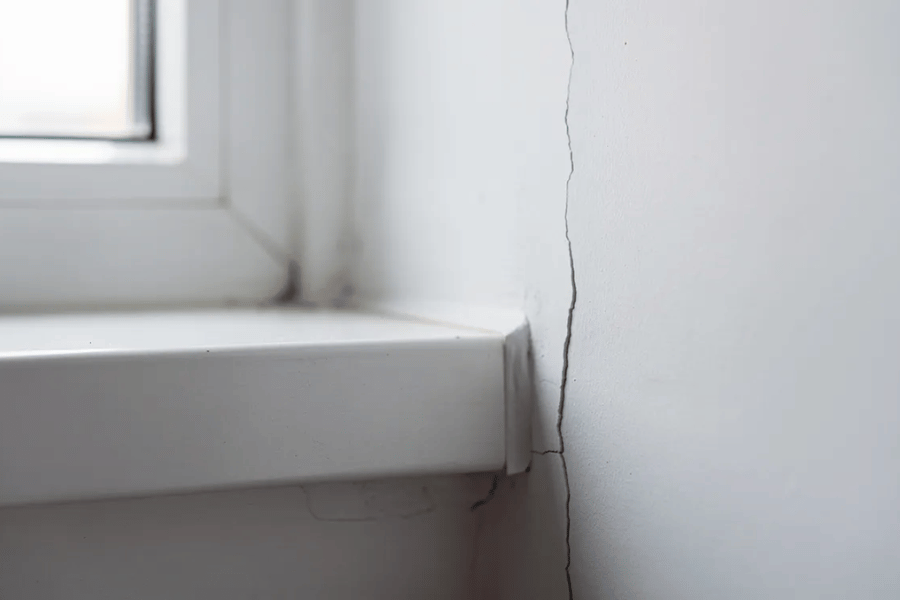
Every home moves. Whether you just walked through your brand-new build for the first time or you've lived in your house for a decade, the ground beneath it is never perfectly still.
Understanding how long it takes for a house to settle-and knowing when that movement crosses the line from cosmetic nuisance to structural concern-can save you thousands of dollars and a lot of stress.
How Long Does It Take for a House to Settle?
A newly constructed house experiences significant settlement within the first 1 to 2 years as the soil beneath the foundation compresses under the building's weight. The settling process typically takes 1 to 3 years to complete, though minor movement can continue at a slower rate for 5–10 years depending on soil type, foundation design, and drainage conditions.
Here's what you need to know up front:
-
Minor, uniform settling is a normal part of a new home's life cycle. Expect small hairline cracks, slight shifts in trim, and occasional door sticking during the first couple of years.
-
How long it takes for a house to settle depends heavily on whether it sits on clay soil, sandy soils, or well-compacted gravel. Expansive clay soils-common across much of Utah, drive longer, more cyclical movement.
-
Normal house settling produces small cosmetic blemishes. Foundation problems produce large cracks (wider than ¼ inch), sloping floors, and doors or windows that stop functioning.
-
In areas with expansive clays and seasonal moisture swings, settling can be more pronounced and needs closer monitoring throughout the first several years.
-
If new cracks or movement appear after 3–5 years of stable behavior, treat that as a red flag, not as "just the house aging."
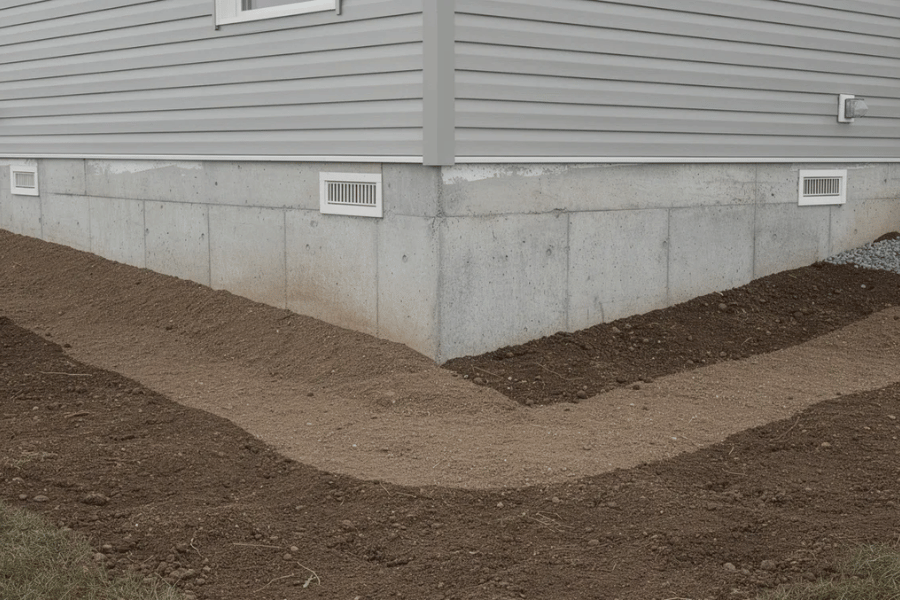
What Is House Settling (and What Actually Moves)?
House settling refers to the gradual downward or slight lateral movement of a structure as the foundation and underlying soil adjust to the building's weight. It is a natural process that every home goes through to some degree.
-
Houses settle because the soil compresses, fills air gaps, expels water, and adjusts to moisture changes under the footing or slab. Concrete also shrinks as it cures, and wood framing dries and contracts slightly-all causing slight shifts in the structure over time.
-
All homes settle. The real concern is uneven settling, where one section of the foundation drops more than another. This differential movement stresses framing, drywall, plumbing, and finishes.
-
Typical cosmetic signs of normal settling include fine hairline cracks in drywall (especially near door and window corners), minor gaps at trim or caulk lines, and light seasonal sticking of doors and windows.
-
When you see large cracks, doors and windows that suddenly won't operate, or noticeably uneven floors, that's no longer routine home settling-it points to more serious house settling issues that warrant investigation.
Timeline: How Long Does It Take for a House to Settle?
Most settling happens in the first 1–2 years after construction, slows considerably between years 3–5, and should largely stabilize after that. On typical residential foundations, measurable settlement usually totals less than ½–1 inch when construction quality, soil prep, and drainage were handled properly.
Minor cosmetic movement can continue for 5–10 years, especially in regions with shrink-swell clay soil and big moisture swings. Slab-on-grade foundations often stabilize faster because the slab distributes load directly, while basements and crawl spaces can show later movement as moisture conditions shift beneath them.
0–12 Months: Initial House Settling Phase
This is the most active phase of the settling process. Soil compacts under the new load, concrete cures and undergoes drying shrinkage, and wood framing loses moisture and contracts. Significant settling happens in the first year after construction, and heavier buildings may cause faster initial settling because they compress the soil beneath more aggressively.
-
Minor hairline cracks within the first 2 years are generally considered normal. Look for them at drywall seams, window corners, and where the wall meets the ceiling.
-
Vertical cracks between 2–6 inches long indicate normal settling when they stay narrow (under about 1/16–1/8 inch).
-
Research from Penn State's concrete studies shows that 66–85% of concrete's total long-term shrinkage occurs within the first year, which explains why early-life cracking is so common.
-
In new subdivisions around St George, first-year movement is often tied to irrigation changes and newly introduced landscaping moisture that alters soil conditions near the foundation.
-
Start documenting cracks with photos, measurements, and dates from the beginning. This baseline makes it far easier to spot changes later.
1–3 Years: Ongoing Settling and Seasonal Movement
Most settling occurs within the first two years, but a house settles more slowly through this window as soil consolidation continues. Houses typically finish settling after one full weather cycle, though small new cracks and seasonal door and window changes can still appear.
-
Seasonal weather changes cause soil to expand and contract, and clay-rich soils expand and contract with particular intensity, causing uneven settling that shows up as repeating hairline cracks each year.
-
Settling can continue at a slower rate for years after the initial phase, especially if soil moisture levels swing widely between the rainy season and dry periods.
-
Repeated widening, lengthening, or re-opening of the same wall cracks can signal a developing foundation problem rather than normal settlement. If small cracks from year one begin to grow, that expansion and contraction cycle may be driving something more than cosmetic damage.
-
This is the ideal window to get a baseline foundation evaluation if you're seeing more than small cosmetic issues.
3+ Years: When Settling Should Largely Stabilize
By year three, most homes reach a stable state. A properly designed and built home on stable soil should produce minimal new movement after this point.
-
Cracks wider than ¼ inch, stair-step diagonal cracks in brick or block, or a floor slope you can see or feel indicate potential foundation movement-not normal aging.
-
Cracks wider than a nickel or horizontal cracks in the foundation indicate structural problems that require immediate attention.
-
Excessive settling or uneven settling beyond this timeline is no longer part of normal post-construction stabilization and can lead to structural issues that become increasingly difficult and expensive to correct, so prompt evaluation matters.
-
Older homes in Utah showing new movement often have underlying issues like drainage failures, leaking plumbing, or soil loss caused by tree roots absorbing moisture.
-
If late-stage movement appears, a professional assessment from a specialist such as Superior Foundation Repair can pinpoint whether you're dealing with ongoing settling or active structural damage.
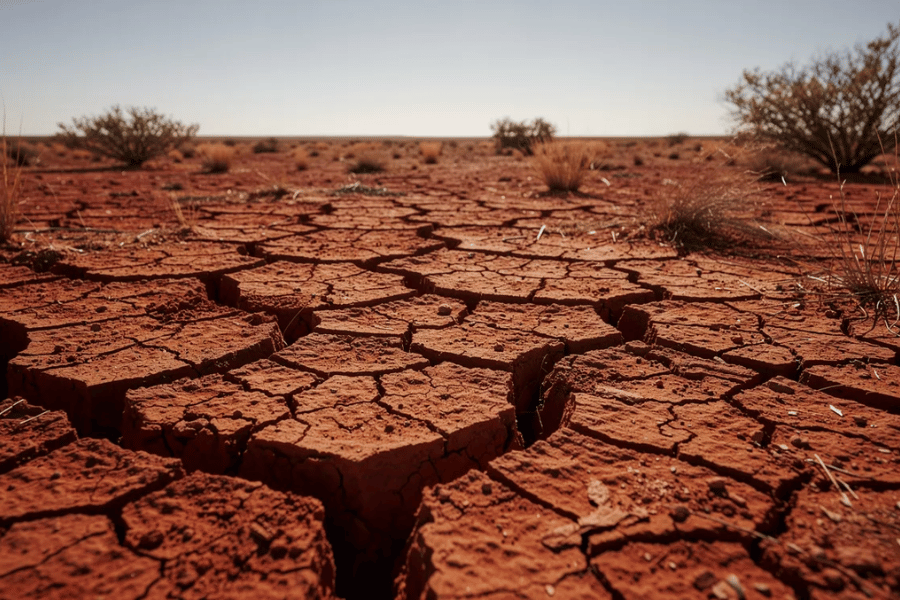
Key Factors That Affect How a House Settles
Several factors control how long a house takes to settle and how severe that settlement becomes. The main drivers are soil type (especially expansive clay soil), foundation design, construction quality, drainage, and local climate.
-
Homes built on well-compacted gravel or native rock typically show less settlement than those on loose or poorly prepared fill.
-
Heavy, stiff structures (brick, concrete, steel framing) can sometimes bridge small soil voids, while lighter wood framing tends to follow ground beneath movement more closely.
-
Freeze-thaw cycles and seismic activity act as secondary factors that can accelerate settlement in certain regions, though in southern Utah, moisture variability plays a more significant role than freezing.
Soil Conditions and Clay Soil Behavior
Soil type has the single greatest influence on how a house settles. Expansive clay soils swell when wet and shrink when dry, creating a cyclical lifting and dropping pattern that stresses the home's foundation over many seasons-sometimes through all four seasons.
-
Repeated swell-shrink cycles cause differential settlement, where one corner or section of the foundation drops more than another. This is what produces diagonal cracks and sticking doors rather than uniform, harmless movement.
-
Houses built on clay or silt soils can settle over a much longer period than those on sandy soils or compacted gravel.
-
In many Utah neighborhoods, layered clay and fill soils produce both vertical settlement and slight horizontal shifting. Poor soil compaction before construction can lead to ongoing settling that persists well beyond the normal 1–3 year window.
-
Improperly compacted backfilled soil can lead to longer settling times, which is why soil reports and proper fill preparation matter so much during construction.
-
Tree roots can absorb moisture from the soil underneath the foundation, leading to soil shrinkage and localized settlement-particularly problematic when large trees sit within 15–20 feet of the house.
Foundation Type, Weight, and Materials
The type of foundation your home sits on affects how loads transfer into the ground beneath and how visible settlement becomes.
-
Slab-on-grade foundations distribute weight broadly and tend to reveal cracks and movement sooner. Full basements and crawl space foundations can mask settlement until moisture or load changes expose weaknesses.
-
Continuous concrete footings and reinforced slabs generally resist localized settlement better than isolated pier blocks or shallow footings.
-
Heavier houses-those with brick or stone veneer, tile roofs, or multiple stories-compress soil more and may show slightly more total settlement, though their stiffness can also resist small foundational cracks from becoming visible inside.
-
Inadequate concrete curing can lead to premature or uneven settling. Concrete shrinkage cracks are not the same as structural settlement cracks, but telling them apart requires understanding timing and pattern.
-
Buyers building or purchasing in markets like Salt Lake City with varied soil conditions should ask for foundation plans and soil reports before closing.
Water, Drainage, and Air Gaps in the Soil
Poor drainage is one of the most common-and most preventable-causes of problematic settling. When water accumulates around foundations, it weakens soil load-bearing capacity and washes out fine particles, creating hidden voids.
-
These air gaps under slabs or footings cause portions of the foundation to drop suddenly, producing large cracks and noticeable interior damage.
-
Common drainage issues include downspouts that discharge at the base of the wall, flat grading that allows water to pool, and leaking sprinkler or irrigation lines. Weather conditions can cause the ground beneath the foundation to shift when saturated soil freezes or dries out unevenly.
-
Ensure gutters direct water away from the foundation-extend downspouts at least 4–6 feet from the wall. Regrade soil so it slopes away from the house.
-
When homeowners learn how to turn on irrigation system each spring, they should verify that no zones are soaking the footing area. Improper irrigation start-up is a surprisingly common contributor to soil softening and pronounced settling near foundations.
-
Inspect drainage systems annually, and address any standing water near the foundation before the next rainy season.
Normal Settling vs. Foundation Problems: What to Watch For
The single most useful test is whether things are getting worse. A static crack that appeared six months ago and hasn't changed is fundamentally different from a crack that has doubled in width over the same period. Watching how doors and windows behave, and how floors feel underfoot, often reveals more than just inspecting walls.
Normal Signs of a House Settling
Normal house settling produces minor cosmetic blemishes that are easy to address and don't threaten structural integrity.
-
Small hairline cracks in drywall at corners and over doors and windows, typically under 1/16–1/8 inch and not growing, are standard normal settlement behavior.
-
Tiny vertical cracks in poured concrete foundation walls that are uniform and narrow qualify as typical shrinkage or minor cracks.
-
Light seasonal sticking of interior doors and windows that improves when humidity or temperature changes reflects seasonal changes in the framing-not structural problems.
-
Small gaps between trim and walls, or counters and backsplashes, can be re-caulked during regular maintenance without concern.
-
Fill small cracks in the foundation promptly with appropriate patching material to prevent water infiltration. Monitor cracks regularly to track their progression-if they stay the same size, you're almost certainly dealing with normal settling.
-
Cracks wider than 1/16 inch suggest improper settling and deserve closer attention, even if they don't yet look alarming.
Warning Signs of Serious House Settling Issues
When settling crosses into structural territory, the warning signs tend to cluster. Look for multiple symptoms appearing together or individual symptoms that worsen quickly.
-
Large cracks over ¼ inch wide in walls, ceilings, or foundations-especially diagonal cracks or stair-step patterns in masonry-are clear warning signs of significant settling.
-
Sticky doors often indicate structural issues due to settling, particularly when multiple doors in the house are affected simultaneously. Widening cracks around door frames reinforce this concern.
-
Windows pulling away from frames signal damaging settling. When you see visible gaps at the top or bottom of window frames, or frames pulling away from drywall, the structure is shifting beyond acceptable limits.
-
Uneven floors can indicate serious foundation issues. If furniture slides, balls roll on their own, or you can feel a slope underfoot, the support weight distribution beneath the house has changed.
-
Gaps between ceilings and walls, baseboards pulling away from the floor, and sloping floors that develop over weeks rather than years all point to active movement.
-
If two or more of these symptoms appear or worsen within a season, contact a foundation repair specialist. Companies like Superior Foundation Repair can measure elevation changes and provide written recommendations before costly repairs become necessary.
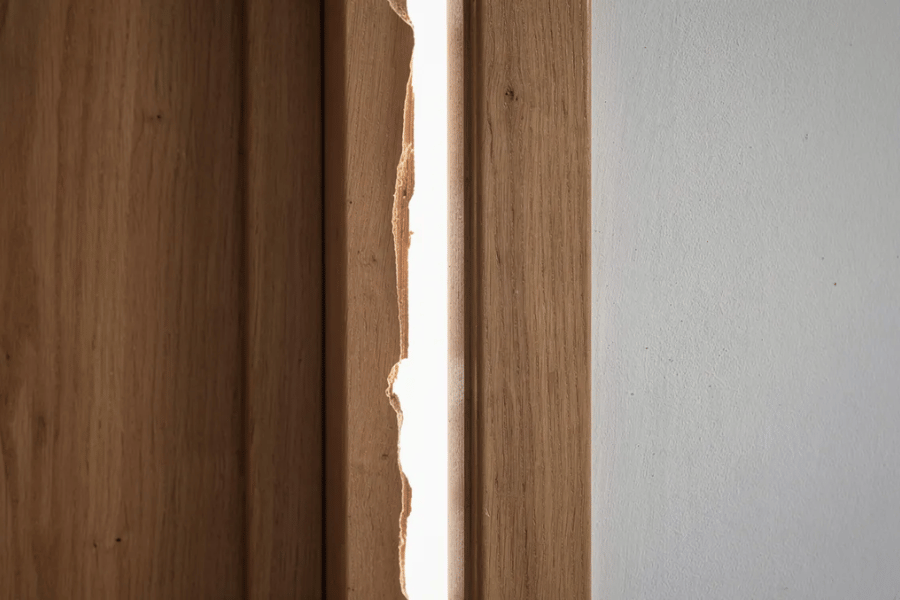
What to Do If You Suspect Problem Settling
Early action almost always reduces repair costs and disruption. Most major problems started as minor repairs that went unaddressed.
-
Start with documentation: photos, measurements, and notes on when cracks or misalignment first appeared. A simple ruler and a smartphone camera are surprisingly effective monitoring tools.
-
Perform basic checks yourself. Measure crack width with a coin or ruler, use a level on multiple floor spots, and test whether doors and windows open and close freely.
-
Consult a foundation repair specialist for significant settling signs-especially if cracks are large, floors are uneven, or movement continues beyond 2–3 years after construction.
-
Schedule a professional assessment if you're unsure whether what you're seeing is cosmetic or structural. An experienced evaluator can distinguish between normal settlement and underlying issues that need intervention.
Professional Repair Options: Leveling, Piers, and Stabilization
Foundation leveling is the process of lifting and re-supporting a settled slab, crawl space, or basement footing so the house sits more evenly again. It addresses both the visible damage and the root cause of the movement.
-
Common underpinning solutions include steel push piers and helical piers that transfer the building's load to deeper, more stable soil or bedrock. In Utah, per-pier costs typically range from $2,000–$3,500 depending on depth and site conditions.
-
Minor crack injection might start around $300–$1,500 per crack, while full pier systems for major structural repair can run $8,000–$25,000+ depending on the extent of damage.
-
A complete house leveling service often includes correcting doors and windows, addressing interior cracks, and improving drainage to prevent recurrence.
-
The cost of waiting almost always exceeds the cost of acting. Structural damage compounds-what starts as a single settling issue can cascade into serious damage across multiple systems.
Preventing Future House Settling Problems
Prevention is where homeowners have the most control and get the highest return on effort.
-
Maintain proper grading: at least 6 inches of fall over 10 feet away from the house to keep water moving away from the foundation.
-
Keep gutters clean and downspouts extended 4–6 feet from the foundation. Functional drainage systems are your first line of defense against soil saturation.
-
Avoid planting large, thirsty trees too close to the foundation. Root systems pull moisture levels down unevenly, drying and shrinking clay soil on one side while the other remains stable.
-
Check crawl spaces and basements periodically for moisture and signs of white mold in basements, which can indicate persistent dampness weakening the soil underneath.
-
Use spray foam to fill air gaps in insulation around rim joists and foundation penetrations to reduce moisture migration into the structure.
-
Review irrigation layouts annually. Avoid soaking zones that sit right against the foundation, and adjust sprinkler heads that spray directly onto the house.
FAQ: House Settling, Cracks, and Safety
Is it normal to see new cracks a year after my house was built?
Yes. Minor hairline cracks appearing in the first 12–24 months are common and generally considered normal. Most of the concrete's shrinkage and the soil's initial compression happen during this period. Keep an eye on them, but don't panic unless they grow wider than 1/16 inch or multiply rapidly across multiple rooms.
How can I tell if a crack is just cosmetic or a sign of foundation problems?
Measure the crack's width and mark its endpoints with a pencil. Check again in 1–3 months. Small cracks that remain static are almost always cosmetic. If a crack exceeds ¼ inch, runs diagonally or in a stair-step pattern, or keeps growing, it likely reflects structural problems that need evaluation. Wall cracks that vary significantly based on the season may indicate expansive clay soils driving cyclical movement.
Do houses in dry climates settle differently than in wetter areas?
They do. Areas like southern Utah and St George see strong shrink-swell cycles in clay soil because of the contrast between irrigation, occasional monsoon storms, and extended dry periods. This contraction cycle can drive more dramatic movement than steadier, wetter climates. Homes in these areas benefit from consistent moisture management around the foundation.
When should I call a foundation repair expert instead of just patching cracks?
Call when multiple symptoms appear together-sticking doors paired with widening cracks, or sloping floors alongside gaps at trim.
Also reach out if the settlement continues beyond 3–5 years, if any crack exceeds ¼ inch, or if you notice major problems like horizontal foundation cracks. Homeowners across Utah communities can contact Superior Foundation Repair through Superior foundation repair for a local, soil-specific assessment.
Conclusion:
Most houses settle noticeably for 1–3 years, with minor seasonal movement tapering off over the following decade. That timeline is normal. What isn't normal is ongoing settling that produces new large cracks, makes doors and windows increasingly difficult to operate, or creates visibly sloping floors after the initial period has passed.
Document what you see, perform basic checks, and schedule a professional evaluation if anything feels off-especially in older homes or on complex soils. Addressing house settling issues early protects structural integrity, reduces the risk of moisture and mold problems, and preserves your property's long-term value. If you're a Utah homeowner and you're not sure whether what you're seeing is routine or a cause for concern, reach out to a qualified foundation specialist for clear, honest guidance.