
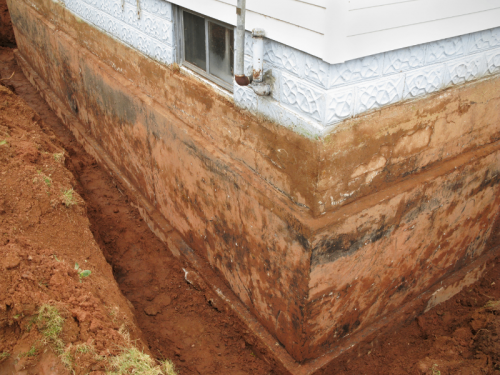
If you’ve noticed cracks in your basement walls, doors that suddenly won’t close, or water seeping into your home after spring runoff, you’re probably wondering about the cost to fix it. Foundation problems are stressful—but understanding what drives pricing in Utah can help you budget accurately and avoid overpaying.
This guide breaks down actual foundation repair costs across Utah for 2026, covering everything from minor crack repairs to major piering projects. Whether you’re in the Salt Lake Valley dealing with expansive clay soils or in St. George where sandy, collapsible soils create different challenges, you’ll find the cost data and Utah-specific information you need.
Quick Answer: Typical Foundation Repair Costs in Utah
How much does foundation repair cost in Utah? For most homeowners, the answer falls between $2,500 and $15,000, with a typical moderate project running around $4,500 to $6,000. However, costs vary significantly based on the repair method, foundation type, and severity of damage.
Here’s a quick breakdown of what Utah homeowners are paying in 2026:
-
Minor repairs (crack injection, small slab lifting): $250–$1,500
-
Moderate repairs (several piers, partial wall reinforcement, waterproofing): $3,000–$8,000
-
Major repairs (extensive piering, multiple wall braces, full drainage system installation): $10,000–$25,000+
-
Full foundation replacement: $20,000–$100,000+ (rare, reserved for severe structural failure)
Cost comparison by Utah location:
-
Salt Lake City area: $2,000–$15,000, with most homeowners paying around $4,500 for moderate work
-
St. George/Washington County: $1,800–$12,000, often $3,000–$6,000 due to simpler slab-focused repairs
-
Other Wasatch Front cities (Ogden, Provo, West Jordan): Similar to SLC, typically $2,500–$10,000
Actual costs depend on an on-site inspection, soil conditions, accessibility, and the severity of damage. At Superior Foundation Repair, we evaluate each Utah home’s specific situation before providing detailed pricing—because what works in Herriman may look completely different from what’s needed in Hurricane.
Average Foundation Repair Costs in Utah (By City and Problem Type)
Utah foundation repair averages differ from national data because of our unique conditions: expansive lakebed clay along the Wasatch Front, freeze-thaw cycles that stress concrete through winter, and sandy or collapsible soils in southern regions. These factors influence both what goes wrong and what it costs to fix.
Typical total project costs by region:
-
Salt Lake City metro area: Roughly $2,000–$15,000, with most homes falling in the $3,500–$7,000 range for moderate issues
-
St. George and Washington County: Approximately $1,800–$12,000, with many jobs landing between $3,000–$6,000 due to drier conditions and fewer basements
-
Ogden, Provo, Layton, Logan, and similar cities: Generally matching SLC pricing at $2,500–$10,000
Cost ranges by common problem type:
-
Non-structural crack sealing: $250–$800 per crack
-
Active leaking foundation (water intrusion): $2,000–$7,000 depending on wall length and waterproofing scope
-
Bowing basement walls: $4,000–$12,000 based on wall length and bracing method selected
-
Settlement repair with piers: $1,000–$3,000 per pier, with typical homes needing 4–12 piers
-
Crawl space encapsulation: $5,000–$15,000 for full moisture control
Utah basement foundations—common along the Wasatch Front—tend to cost more because of excavation requirements, wall bracing complexity, and the need for combined waterproofing. Slab repairs in southern Utah are often simpler but can escalate quickly if soil collapse affects large areas.
Key Factors That Affect Foundation Repair Cost in Utah
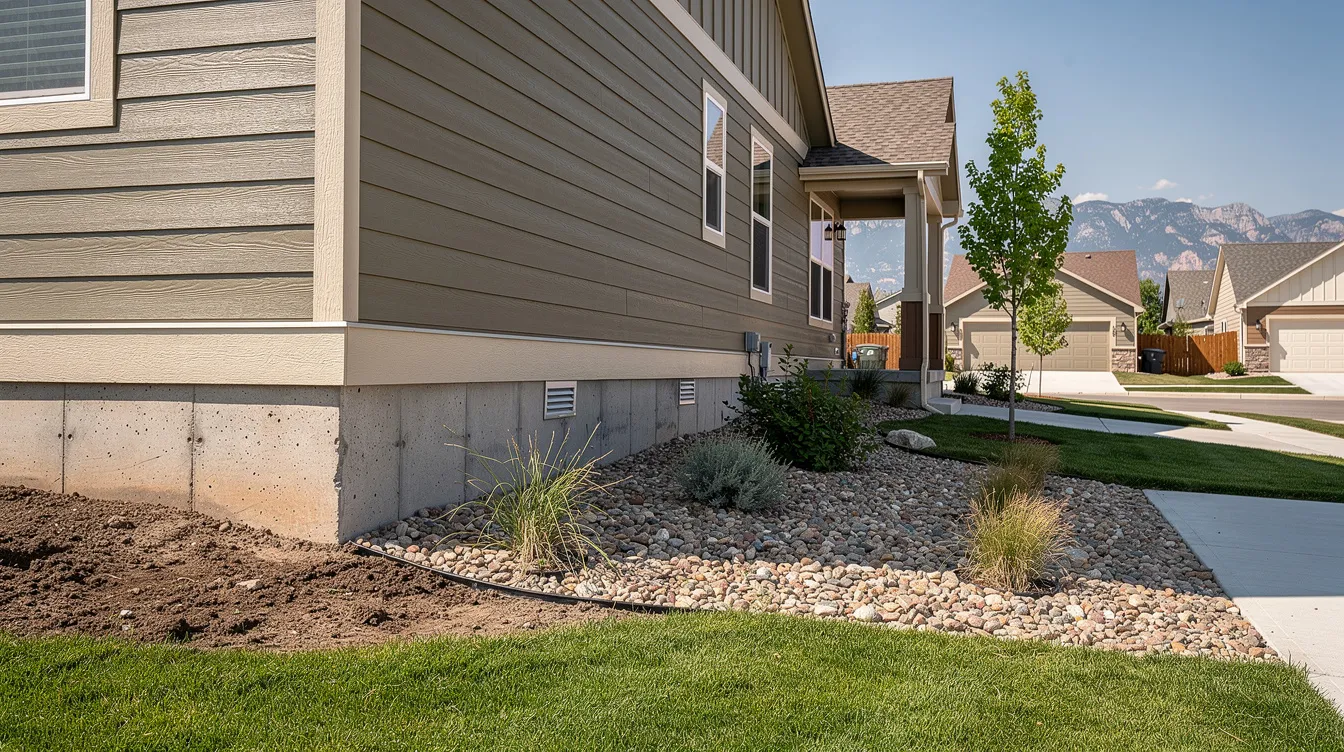
Foundation repair pricing in Utah depends on a combination of soil conditions, foundation type, accessibility, and problem severity—not just the square foot measurement of your home. Two houses on the same street can receive quotes $10,000 apart based on these variables.
Primary cost drivers in Utah:
-
Foundation type: Basement foundations typically cost more to repair than concrete slab foundations due to wall height, excavation, and bracing requirements
-
Size of affected area: Fixing one settling corner is far cheaper than stabilizing an entire wall or multiple sides of the home
-
Soil conditions: Expansive clay soils in Salt Lake Valley require different solutions than the sandy, collapsible soils common in St. George
-
Severity of movement: Hairline cracks cost a fraction of what major settlement with visible cracks and bowing walls requires
-
Accessibility: Tight side yards, mature landscaping, decks, and finished basements all add labor time and restoration costs
-
Local labor and permitting: Salt Lake City typically has higher labor rates and permit fees than smaller Utah communities
Costs usually scale with repair elements:
-
Number of piers required (each pier adds $1,000–$3,000)
-
Length of wall needing reinforcement (priced per linear foot)
-
Linear feet of crack or wall requiring waterproofing
Utah’s freeze-thaw cycles, irrigation practices, and typical home grading often mean drainage improvements get added to the base repair scope—which adds cost but prevents repeat problems.
Cost by Foundation Type in Utah
Utah homes use several foundation types, and each has distinct problem patterns and repair cost expectations. Understanding your foundation type helps you benchmark whether contractor bids are reasonable.
Along the Wasatch Front, basements dominate. In St. George and newer subdivisions statewide, concrete slab foundations are more common. Crawl space and pier foundation systems appear on sloped lots and in older construction.
Basement Foundations (Common Along the Wasatch Front)
Basement foundations are standard in Salt Lake City, Ogden, Provo, and most northern Utah communities. They’re also where some of the most expensive repairs occur due to wall height, soil pressure, and water intrusion challenges.
Typical repair cost range: $2,300–$7,600 for moderate work, climbing to $12,000+ for long bowing walls or major basement waterproofing.
Common Utah basement problems:
-
Horizontal cracks from lateral soil pressure, especially in lakebed clay zones
-
Stair step cracks in block walls found in older pre-1980s homes
-
Water intrusion during spring runoff and snowmelt seasons
-
Vertical cracks from settlement as homes age
What drives costs higher: Wall length, degree of bowing, whether carbon fiber straps or steel beams are needed, and whether interior finishes (drywall, flooring, insulation) must be removed and replaced after work.
Real-world example: A 1970s basement home in Murray with a 20-foot bowing block wall typically costs $8,000–$10,000 to stabilize with steel braces and address waterproofing—more if the finished basement interior needs significant restoration.
Concrete Slab Foundations (Especially in St. George and Newer Subdivisions)
Concrete slab foundations are the norm in St. George, Washington, Hurricane, and newer Utah communities where basements are less practical or desirable. They’re also common in many Wasatch Front subdivisions built since the 1990s.
Typical repair cost ranges:
-
Slab leveling via mudjacking or polyurethane foam: $500–$1,300 for small areas, $2,000–$5,000 for larger sections
-
Piering for a sinking foundation corner: $3,000–$10,000+ depending on pier count
-
Combined slab lift and pier work: $6,000–$15,000 for moderate settlement
Soil type significantly affects scope. Sandy or collapsible soils in southern Utah create void spaces under slabs, while improperly compacted fill under newer Wasatch Front homes causes gradual sinking.
Additional costs: When slab movement damages interior tile, hardwood flooring, or plumbing lines, expect extra charges for those trades—sometimes adding $2,000–$5,000 to the project.
Crawl Space and Pier-and-Beam Foundations
While less common than basements, crawl space and pier-and-beam foundations exist throughout Utah, particularly on sloped lots and in older homes. They present unique repair scenarios.
Typical cost ranges:
-
Minor girder and joist adjustment with new supports: $1,500–$4,000
-
Extensive pier addition or replacement under sagging areas: $4,000–$12,000 depending on access and support count
Issues that increase costs:
-
Moisture buildup and mold in confined crawl spaces
-
Limited access requiring crews to work in very low clearance conditions
-
Need for vapor barriers, drainage improvements, or structural wood replacement
These repairs can be less expensive than deep basement work but are labor-intensive due to tight working conditions. Proper crawl space moisture control often prevents recurring foundation problems.
What Drives Costs Higher? Severity, Soil, and Accessibility
Two identical Utah homes can receive very different repair estimates based on how long problems have existed, how the soil behaves seasonally, and how easy it is to access the damaged areas. Understanding these factors helps you evaluate whether a higher quote reflects genuine complexity.
Severity and duration of damage:
-
Hairline cracks addressed early might cost $300–$800 total
-
The same cracks left for years can become 1/4”+ gaps with wall bowing, requiring piers, braces, and potentially structural carpentry—pushing costs to $8,000–$15,000+
-
Foundation issues caught during a routine inspection typically cost 50–70% less than those discovered during a real estate transaction when problems are advanced
Utah soil conditions:
-
Expansive clay soils in Salt Lake Valley, Davis County, and Utah County swell dramatically with irrigation and snowmelt, pushing against basement walls
-
Sandy or collapsible soils in St. George and parts of southern Utah wash out or compact under load, creating voids beneath slabs
-
Both conditions require specific repair approaches—soil pressure problems need wall reinforcement while void issues need piering or slab lifting
Accessibility challenges:
-
Decks, mature trees, concrete patios, and driveways over problem areas may need removal and replacement (adding $1,000–$3,000+)
-
Finished basements require cutting back drywall, removing flooring, and restoring after structural work
-
Narrow side yards or hillside locations increase equipment and labor time
Difficult access alone can add $1,000–$3,000 to a foundation repair project in Utah—sometimes more if significant hardscape removal is needed.
Typical Prices by Repair Method in Utah
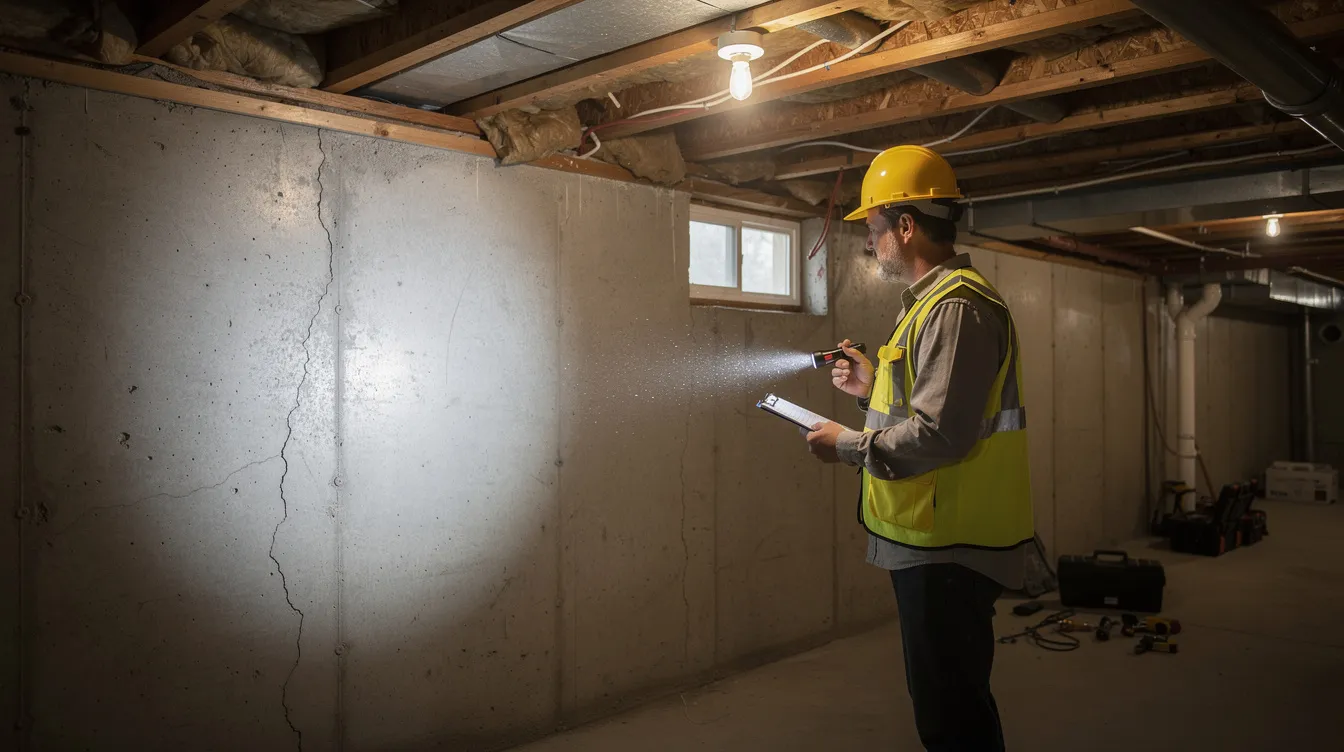
Utah foundation repair companies choose from several repair methods based on soil conditions, foundation type, and damage severity. Each method carries its own cost range, and understanding these helps you evaluate whether a contractor’s recommendation makes sense for your situation.
Epoxy or Polyurethane Crack Injection
This is the standard approach for sealing cracks in poured concrete basement walls and slabs. It stops water leaks and stabilizes minor, non-structural cracking.
Utah cost range: $250–$800 per crack, depending on length and whether active water intrusion exists.
Crack injection is common in newer suburbs like Herriman, Lehi, and South Jordan where early settlement causes hairline cracks that aren’t structurally concerning but allow moisture intrusion. It addresses visible cracks and water leaks but won’t fix significant structural movement if ongoing soil pressure is the root cause.
Mudjacking or Slabjacking
Mudjacking lifts sunken concrete—driveways, patios, garage slabs, and some slab-on-grade foundation sections—by pumping grout beneath the surface to fill voids and raise the slab.
Typical Utah costs: $500–$1,300 for smaller projects (patio sections, garage corners), $2,000–$3,000+ for larger areas like full driveways.
This is an economical repair method for settlement issues, though it may be less durable in areas with very unstable or saturated soils. Newer polyurethane foam concrete lifting methods cost slightly more but are lighter and cure faster—useful when minimizing load on weak soils matters.
Piering and Underpinning
Piering is the go-to solution for active settlement or a sinking foundation in both Salt Lake City and St. George. Steel push piers or helical piers are driven deep until they reach stable soil or bedrock, then connected to the foundation to halt movement and sometimes lift the structure.
Utah cost ranges:
-
$1,000–$1,500 per push pier
-
$1,200–$1,800 per helical pier
-
Total costs typically $6,000–$25,000 for significant settlement affecting multiple points
Piering represents a permanent structural solution when designed and installed by certified professionals. Most projects combine piering with drainage improvements to address the moisture conditions that caused settlement initially. Industry experts consider this the most reliable expensive repair method for ongoing foundation problems.
Wall Bracing and Carbon Fiber Reinforcement
For basement walls showing minor to moderate bowing from lateral soil pressure, carbon fiber straps offer a less intrusive reinforcement option. They’re installed on the interior wall surface and prevent further movement.
Cost ranges in Utah:
-
Carbon fiber straps: $400–$800 per strap, often $3,000–$8,000+ per wall depending on length
-
Steel I-beams or wall braces: $500–$1,000+ per beam, with total costs of $4,000–$12,000 for typical basement walls
These methods are common in Utah’s older block basements and throughout lakebed clay zones where outward wall movement from soil pressure is frequent. More severe bowing or active shifting may require more extensive—and expensive—structural stabilization including excavation and external anchoring.
Waterproofing and Drainage Improvements
Many Utah foundation repairs pair structural work with waterproofing and drainage systems to prevent moisture intrusion from causing the same damage again. Poor drainage is a root cause of many foundation issues in our region.
Typical Utah costs:
-
Exterior waterproofing with drainage tile drains: $2,800–$8,200 depending on wall length and depth
-
Interior drainage systems with sump pump: $2,000–$6,500
In Salt Lake City and northern Utah, snowmelt and insufficient drainage from downspouts frequently trigger leaks and hydrostatic pressure against basement walls. Addressing drainage issues during foundation repair adds cost upfront but helps avoid costly repairs down the road.
Structural and Soil Reports: When Are They Worth the Cost?
Not every foundation project requires structural engineers or geotechnical analysis, but for complex or high-cost repairs in Utah, these reports provide valuable guidance and documentation.
Typical report costs:
-
Structural engineer inspection and report: $300–$1,000 in Utah
-
Geotechnical soil report with borings and lab analysis: $500–$3,000
When reports are recommended:
-
Noticeable ongoing settlement or progressive wall bowing
-
Repeated cracking after prior repair attempts
-
High-value properties where documentation protects resale value
-
Older homes with unclear construction history
-
Insurance claims or legal disputes over damage
A written engineer’s recommendation ensures the chosen repair method matches the actual problem. It also provides documentation that future buyers and appraisers can review, protecting your investment. For a $15,000+ repair, spending $500–$1,000 on a soil report and structural evaluation often makes sense.
Salt Lake City Foundation Repair Costs (Local Conditions and Pricing)
Salt Lake City presents unique foundation challenges thanks to lakebed clay soils, a mix of historic homes and new construction, and seasonal moisture cycles that stress foundations throughout the year.
Typical SLC-area cost ranges:
-
Overall: $2,000–$15,000, with most projects around $3,500–$7,000
-
Crack injection: $250–$800 per crack
-
Bowing basement wall stabilization: $4,000–$12,000 depending on wall length and reinforcement system
-
Settlement piering: $6,000–$20,000+ for multiple piers along a settling wall
Salt Lake City-specific issues that increase costs:
-
Expansive clay that swells with irrigation, snowmelt, and seasonal groundwater changes
-
Older basements in Sugar House and the Avenues with limited exterior access and narrow side yards
-
Historic masonry foundations requiring specialized repair approaches
-
Steep lots with walkout basements needing complex excavation
-
Newer subdivisions on engineered fill (Herriman, Daybreak) where settlement appears years after construction
For Salt Lake City foundation repair, working with a Utah-licensed contractor familiar with local soils and building department requirements makes a significant difference. Superior Foundation Repair serves the Salt Lake City area with specific expertise in Wasatch Front conditions.
St. George and Southern Utah Foundation Repair Costs
St. George, Washington, Ivins, and Hurricane face different foundation challenges than northern Utah. Hotter, drier conditions combine with sandy or collapsible soils and fewer basements to create a distinct repair landscape.
Typical St. George price ranges:
-
Overall: $1,800–$12,000 for most homes
-
Slab lifting and leveling: $600–$3,000 depending on area and method
-
Piering for slab or footing settlement: $4,000–$15,000+ when multiple piers are needed
Regional issues affecting costs:
-
Collapsible or poorly compacted soils under slabs causing corner or edge settlement
-
Landscape irrigation creating soft spots beneath driveways, patios, and porches
-
Fewer basements, so repairs focus on slab and stem wall movement
-
Heat cycles that cause soil shrinkage and concrete expansion stress
Real-world example: A 1990s St. George ranch home with a settling corner slab typically costs $7,000–$10,000 to pier and stabilize, with actual costs depending on how many piers are needed and whether interior flooring requires repair.
Although southern Utah experiences fewer freeze-thaw cycles, heat and soil collapse create real world projects requiring structural-level repairs when homeowners delay action.
Additional and Hidden Costs Homeowners Should Plan For
Many Utah homeowners focus on the base foundation repair cost without accounting for related expenses that can add thousands to the final bill. Getting clear answers upfront prevents surprise charges.
Common additional costs:
-
Landscaping removal and replacement: $200–$2,000+ if shrubs, trees, or decorative concrete must be removed for access
-
Interior finish removal and repair: Drywall, insulation, framing, and flooring replacement in finished basements after structural work
-
Plumbing inspection or rerouting: If settlement has strained or cracked water and sewer lines beneath slabs
-
Permits and inspections: Typically $75–$150+ depending on city and project scope
-
Concrete patching and flatwork: Replacing sidewalk sections, patio edges, or driveway areas disturbed during excavation
-
Temporary arrangements: Rarely needed, but extensive work may require brief utility shutoffs or temporary storage
Ask contractors to clearly itemize what’s included and excluded from their proposal. Questions like “Who patches the drywall?” and “Is sidewalk replacement in this bid?” prevent misunderstandings about total cost.
Why Hire a Professional Utah Foundation Repair Company?
Your home’s foundation is a structural component—not a DIY project. Improper repairs can create worse problems, void insurance coverage, and cost far more to correct later. Professional foundation repair companies bring critical advantages.
Benefits of working with Utah-based specialists:
-
Local knowledge of Wasatch Front clay and southern Utah soil conditions
-
Familiarity with Utah building codes, permit offices, and inspection requirements
-
Access to engineered products (steel piers, carbon fiber systems, wall anchors) with manufacturer-backed warranties
-
Ability to coordinate drainage systems, concrete flatwork, and interior restoration
-
Documentation of pre- and post-repair conditions with elevation readings
Reputable companies take baseline measurements, photograph existing damage, and provide written warranties on structural work. This documentation protects your investment and supports resale discussions with future buyers.
Avoid very low bids that skip soil evaluation, dismiss drainage corrections, or resist engineering input when project costs justify it. Skipping repairs or accepting substandard work often leads to repeat foundation damage and expensive repairs later.
How to Compare Quotes and Control Foundation Repair Costs
Foundation repair bids in the same Utah city can vary significantly because contractors may propose different scopes, methods, and inclusion of related work. Smart comparison helps you find value without sacrificing quality.
Getting and evaluating bids:
-
Obtain 2–3 written estimates from licensed Utah contractors
-
Each proposal should describe the specific repair method, number of piers or straps, wall lengths treated, and whether drainage work is included
-
Ask whether a structural engineer’s report is recommended and if the contractor can work with your chosen engineer
-
Review online feedback, ask for references, and compare warranty terms—not just the bottom-line price
-
Clarify payment schedules including deposits, progress payments, and final payment after inspection
Ways to save money on foundation repair:
-
Address issues when signs first appear (sticking doors, new wall cracks, minor water leaks) before major repairs become necessary
-
Maintain gutters, downspouts, and yard grading to reduce moisture-driven soil movement
-
Clear access paths, move furniture, and remove small landscaping yourself where safe to reduce contractor labor time
-
Schedule work during slower seasons when contractors may offer better pricing
When Is Full Foundation Replacement Necessary (and What Does It Cost)?
Full foundation replacement is rare and reserved for severe structural failure, extensive deterioration, or fundamental design defects that can’t be addressed through repair. Most Utah homes never reach this point.
Utah cost expectations:
-
House lifting and complete foundation replacement: Starting around $20,000, reaching $60,000–$100,000+ for large or complex structures
-
House lifting alone: Often $20,000–$30,000 before new concrete or structural work
Situations that might justify replacement:
-
Major structural failure across multiple walls or footings
-
Severely compromised, crumbling basement walls from 1940s–1960s construction
-
Ongoing movement that standard piers or wall bracing cannot reasonably stabilize
-
Foundations too undersized or poorly built to support modern loads
Early evaluation typically keeps Utah homeowners well below replacement costs by enabling targeted repairs while options remain available. An entire foundation rebuild is almost always a last resort after engineering review confirms repair isn’t viable.
Signs Utah Homeowners Should Watch For (To Avoid Bigger Bills Later)
Catching foundation issues early—especially through Utah’s seasonal cycles—directly reduces repair costs. Small problems addressed promptly remain minor cracks, while ignored issues become settling foundations requiring major interventions.
Exterior warning signs:
-
New or widening foundation cracks in walls or exposed concrete
-
Bulging or leaning sections of basement wall visible from outside
-
Gaps around exterior window and door frames
-
Brick or stone pulling away from the structure
-
Uneven floors on porches or patios attached to the foundation
Interior warning signs:
-
Doors or windows suddenly sticking, not latching, or swinging open
-
Sloping or uneven floors, especially near center beams or along exterior walls
-
Drywall cracks that widen over months, particularly above doorways and in corners
-
Water seepage at basement wall bases after rain or snowmelt
-
Gaps between walls and ceilings or floors
Photograph and date any cracks you find. Monitoring changes across seasons helps both you and contractors understand whether movement is active. Call a foundation pro if multiple signs appear together or if any single issue worsens noticeably.
Working With Superior Foundation Repair in Utah
At Superior Foundation Repair, we specialize in Utah’s unique foundation challenges—from Salt Lake City’s lakebed clay to St. George’s collapsible desert soils. Our approach focuses on accurate diagnosis, appropriate solutions, and clear communication throughout the repair process.
What you can expect working with us:
-
Initial conversation to understand your concerns and schedule an on-site evaluation
-
Thorough visual inspection of foundation walls, interior signs, exterior conditions, and basic elevation checks
-
Clear explanation of findings, available options, and pricing data specific to your situation and local soil conditions
-
Written proposal detailing scope, timeline, methods, and warranty terms
We draw on industry best practices and Utah-specific experience developed over years of serving homeowners across the state. Our detailed guide on foundation settlement causes, signs, and solutions reflects the diagnostic approach we bring to every project.
If you’ve noticed cracks, sticking doors, uneven floors, or water intrusion, we encourage early action. Contact us for an evaluation—prompt attention typically keeps costs in the lower range and preserves your full range of repair options.
FAQ:
What is the cheapest way to fix a foundation in Utah?
For minor issues, crack injection ($250–$800 per crack) and small-area mudjacking ($500–$1,300) represent the most affordable options. These work well for hairline cracks and limited slab settlement but aren’t appropriate for structural damage or ongoing movement.
Does foundation repair increase home value in Utah?
Unresolved foundation problems can reduce a home’s value by 10–15% or more and scare away future buyers entirely. Documented repairs with transferable warranties protect or improve value by demonstrating the problem has been professionally addressed. Labor statistics and pricing data show buyers strongly prefer homes with resolved foundation issues.
How long do Utah foundation repairs usually take?
Most foundation repairs complete in 1–5 days. Crack injection often takes a single day. Piering projects typically run 2–4 days depending on pier count. Larger projects combining wall bracing, piering, and waterproofing may extend to a week or longer.
Will my homeowners insurance cover foundation repair?
Standard homeowners policies typically exclude normal settlement and soil movement. However, foundation damage from specific covered events (like burst pipes causing washout) may qualify. Review your policy and discuss specific circumstances with your insurer before assuming coverage applies.
Can I live in my home during foundation repairs?
Usually yes. Most repairs cause minimal disruption to daily life. Very large projects or situations requiring utility shutoffs might warrant brief arrangements, but contractors typically work around occupied homes without issue.
How often should I have my Utah foundation checked?
Perform a visual self-check each season, looking for new cracks, sticking doors, or water signs. Schedule a professional evaluation if anything new or worsening appears—or every 3–5 years as general maintenance, particularly for homes over 20 years old or located in known problem soil areas.
What’s the average price for foundation piering in Utah?
Based on current cost data, push piers average $1,000–$1,500 each and helical piers run $1,200–$1,800 each in Utah. A home needing 6–10 piers typically sees project costs of $8,000–$18,000 including installation and any necessary excavation.
Are foundation problems common in newer Utah homes?
Yes. Many Utah subdivisions are built on engineered fill that wasn’t adequately compacted, leading to settlement 5–15 years after construction. Newer doesn’t mean problem-free—suburbs like Herriman, Eagle Mountain, and southern Utah developments regularly see foundation issues despite recent construction dates.