
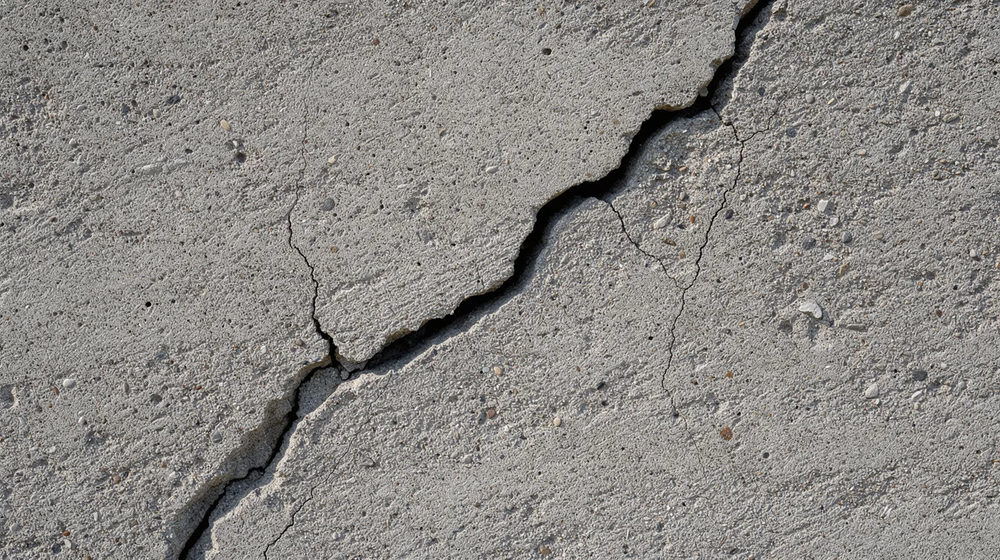
Every house settles. From the moment construction wraps up, settling is always happening as part of your home's life, with your house's foundation gradually adjusting into the soil beneath it. Over the lifespan of a house, this ongoing process is normal. In Utah, this process gets complicated by clay soil that swells and shrinks, freeze-thaw cycles, and irrigation patterns that can wreak havoc and turn normal movement into real foundation problems. If you’re noticing, for example, small cracks in your drywall, doors that stick, or floors that feel slightly off-level, you’re not alone—and you’re right to pay attention.
House settling is simply the gradual downward movement of your home’s foundation as soil compresses under its weight. Normal settling produces minor cracks that stabilize. Problematic settling keeps moving, widening cracks and causing structural issues. This guide, written from the perspective of Utah foundation specialists at Superior Foundation Repair, will help you tell the difference—whether your home is in Salt Lake City or a rural area across the state.
What Is House Settling and Why Does It Happen?
House settling refers to the gradual downward or slight lateral shifting of a home after construction. This happens because the soil beneath the structure compresses under the building’s weight while environmental factors like moisture levels and temperature changes affect ground stability.
Typical initial settling occurs over the first few years—generally within 2-5 years after a new home is built. New homes typically experience the most settling in their first few years, and most warranties cover normal settling repairs for the first year or two. However, Utah homes can continue to experience minor movement over decades due to expansive clays, seasonal changes, and variable soil conditions unique to the region.
The main drivers of settling include underlying causes such as:
-
Soil type and how well it was compacted during construction
-
The structure’s weight and design (basement homes vs. crawl space, one-story vs. two-story)
-
Groundwater and surface water around the foundation
-
Weather patterns, especially Utah’s dry summers followed by wet winters
In areas like Lehi, rapid development and mass grading have left some subdivisions with variable fill soils. When engineered fill isn’t compacted to proper density, different areas of a home settle at different rates—creating the uneven, differential settlement that causes real problems. Having proper contracts between builders and clients is crucial to ensure quality construction and to address settling issues related to soil conditions.
Here’s the key distinction: some movement combined with minor cracks is expected and normal. Ongoing movement combined with functional problems—sticking doors, sloping floors, growing cracks—is not.
Utah Soils, Weather, and How They Affect House Settling
Utah’s geology and climate heavily influence how your house settles. Understanding local soil conditions helps you know when to be concerned and when a crack is just your home doing what homes do.
Common Utah soil types include:
-
Expansive clay soil along the Wasatch Front that can swell 20-30% when wet and shrink equally when drying, putting significant pressure on foundations
-
Sandy or gravelly soils in parts of St George that drain quickly but erode during flash floods
-
Collapsible and loose soils, which can contribute to foundation instability, particularly in areas with a history of moisture saturation
-
Engineered fill in newer communities that performs well when properly compacted
House settling in Lehi, UT, is often driven by expansive clay soils, moisture fluctuations, and poor compaction, resulting in foundation issues.
The freeze-thaw cycle wreaks havoc on shallow foundations. Along the Wasatch Front, there are over 150 freeze-thaw events annually. Water in the ground expands as it freezes, heaving soil upward, then relaxes as temperatures rise. This constant movement stresses concrete and can shift your house’s foundation over time.
Moisture sources matter too. Roof runoff directed toward your foundation, over-watered landscaping, and poor drainage around the foundation can exacerbate soil moisture management issues by saturating perimeter soils. Even something as routine as knowing how to turn on irrigation system equipment incorrectly—like activating sprinklers too early in a wet spring—can trigger dramatic settling by saturating soil that’s already near field capacity.
Significant moisture-driven movements often show up in late spring and late fall when soil moisture changes most rapidly. If you notice new cracks appearing in April-May or October-November, moisture fluctuation is likely the underlying cause. Blistered paint on foundations can also be an indicator of underlying structural problems related to moisture and settling.
Normal House Settling vs Warning Signs of Foundation Problems
About 80-90% of what homeowners first notice turns out to be normal settling. But that remaining percentage signals real structural concerns that need immediate attention. Regular inspections of your foundation every few months can help catch any signs of distress early, preventing major foundation concerns.
What normal settling usually looks like:
-
Hairline cracks less than 1/16 inch wide that don’t grow over several months
-
Thin vertical cracks in your concrete foundation or basement walls that remain stable
-
Minor separations in trim or caulk lines around door frames, especially in homes less than 5 years old
-
Small cracks in drywall near windows and doors that appeared during the first year and haven’t changed
What concerning movement looks like:
-
Cracks wider than 1/4 inch—wide enough to fit a coin into
-
Cracks that change noticeably over 3-6 months (longer, wider, or developing new branches)
-
Doors and windows that suddenly begin to stick, or gaps that appear at top corners
-
Floors that slope enough for a marble to roll on its own across several feet—inspect the entire room for unevenness
-
Stair-step cracks in brick, diagonal drywall cracks, and doors that stick are also indicators of foundation problems
-
Large cracks in drywall can indicate a shifting foundation and may worsen over time, signaling a need for foundation repair
In older homes (10-20+ years), new or rapidly worsening issues deserve more attention than in newer construction. If your house has been stable for a decade and suddenly develops major problems, something has changed—either in the soil, drainage, or structure itself.
For simple homeowner monitoring, mark cracks with a pencil and date, then photograph them from the same angle every 3-6 months. This documentation helps you track progression and gives professionals valuable information if you eventually call for an assessment.
Top Signs Your House Settling May Be a Foundation Problem
While small cosmetic issues are common, certain patterns strongly suggest it’s time for professional foundation evaluation. Pay attention if you notice these warning signs:
Cracks in foundation, basement walls, or exterior brick. Vertical cracks are often less concerning than diagonal or stair-step patterns following mortar joints. Long horizontal cracks exceeding 8-10 feet indicate lateral soil pressure that can exceed 2,000 pounds per square foot—a serious structural issue.
Drywall cracks and ceiling separations. Large cracks over doorways running diagonally, cracks from window corners to ceiling, or gaps where wall meets ceiling greater than 1/8 inch all warrant closer inspection.
Doors and windows sticking or racking. When doors become difficult to lock, show uneven gaps (tight at top, wide at bottom), or latches no longer align, the frame itself may be shifting. This is a sign the structure is moving.
Uneven, sloping, or bouncy floors. Measurable slopes—more than about 1 inch over 10-15 feet—often accompany foundation issues. Sagging joists or settled beams in your basement or crawl space may be the cause.
Gaps and separations. Watch for baseboards pulling away from floors, countertops separating from backsplashes, or a chimney pulling away from siding by more than 1/2 inch.
Water intrusion and musty basements. Settlement can open new pathways for water, leading to dampness, efflorescence (white mineral deposits), or seasonal leaks that weren’t present before.
When several of these appear together within the same 6-12 month period, the odds of a soil-related or structural problem increase significantly.
Inspection, Monitoring, and When to Call Superior Foundation Repair
Start with a simple DIY assessment before calling a professional. Here’s a basic at-home inspection process:
-
Walk the exterior looking for foundation cracks, bulging walls, or gaps between soil and foundation
-
Check interior doors and windows on each level for sticking or misalignment
-
Look along ceiling-wall joints and at corners for new or growing cracks
-
Place a level or long straightedge across suspect floors to gauge slope
For ongoing monitoring, measure and record crack widths with a ruler every 3-6 months. Note dates, locations, and whether it’s a dry or wet season. Keep photos and notes in a simple folder to show a professional later. Addressing minor cracks or settlement signs with a bit of patching or sealing can often be enough for small issues, and catching these early can save you money by preventing more costly repairs down the road.
When to call an expert:
-
Any crack over about 1/4 inch, or obvious progression over two or three check-ins
-
Doors and windows that remain difficult to operate regardless of seasonal changes
-
Noticeable floor slopes, especially in a single direction toward one side of the house
-
Sudden changes after a large storm, plumbing leak, or seismic event, as seismic activity like earthquakes can cause a home to settle faster or more frequently
A local Utah specialist understands the clay around Salt Lake City, the subdivision fills in Lehi, and the different soil conditions in St George. Readers can contact Superior Foundation Repair for a professional assessment tailored to Utah conditions.
Realistic cost ranges: simple crack sealing or localized slab repairs typically run $500-$2,000. Larger structural interventions like underpinning with piers can run $5,000-$25,000+ depending on scope and soil depth, taking several days to complete.
Common Foundation Repair Options for Problematic House Settling
Modern foundation repair focuses on stabilizing or lifting the structure—not just patching visible cracks. It's crucial to identify and address the underlying causes of house settling, rather than only treating the symptoms. Understanding your options helps you make informed decisions about protecting your biggest investment.
Steel push piers or helical piers are driven or screwed through unstable surface soils into deeper, more stable ground—sometimes 50-100 feet down. These can support and sometimes lift settled foundation sections. This method is common along the Wasatch Front where shallow soils are variable.
Slab lifting (slabjacking or polyurethane foam injection) raises sunken concrete slabs like garage floors, driveways, and interior slabs by injecting material underneath. Polyurethane foam cures in about 15 minutes and expands 20-30 times its original volume.
Wall anchors and braces address bowing or leaning basement walls under lateral soil pressure. These systems gradually straighten or stabilize walls over 12-24 months.
Drainage and grading corrections re-slope soil, extend downspouts 5-10 feet from the foundation, and add perimeter drains to reduce future movement. Proper drainage can reduce moisture-related issues by 70-90%.
Crack repair and waterproofing uses epoxy or polyurethane injection for structural cracks, plus coatings or membranes for moisture control.
Small pier projects on a single corner often take 1-2 days. Larger full-perimeter systems may require several days to a week. Factors affecting cost include number of piers, depth to stable bearing soil, home access, and regional labor rates. Superior Foundation Repair can explain which methods make sense for your specific home and soil profile.
FAQs About House Settling in Utah
How long does normal house settling last after construction?
The most noticeable home settling happens in the first 2-3 years, with significant adjustment generally complete by year 5. For example, new homes may develop small cracks or sticking doors during this period as the structure adjusts. Minor movement may continue at a much slower pace afterward—typically less than 0.1 inch per decade. New-build cracks in the first year are usually cosmetic, but significant movement or new cracks appearing after year 5 deserve closer scrutiny from a professional.
When should I worry about cracks in my foundation or drywall?
Worry when cracks exceed 1/4 inch wide, grow measurably over a season, or follow concerning patterns like stair-step masonry cracks or long horizontal cracks. For example, drywall cracks running diagonally from door or window corners, or doors that begin to stick, can indicate more serious settling issues. Isolated hairline cracks that don’t change over 6-12 months are generally low-risk and fall within normal settling parameters.
How much does it cost to fix house settling problems in Utah?
Minor crack injections and small slab lifts typically start around $800-$2,500. More extensive pier systems for serious structural issues can run $5,000-$25,000+ depending on size, number of piers, and soil depth. A professional inspection from a company like Superior Foundation Repair is the only way to get a precise estimate. Early intervention often keeps costs significantly lower than waiting until repairs become extensive.
Is it safe to live in a house that’s still settling?
Normal settling is generally safe and common—the building materials in your home (wood framing, drywall, concrete) naturally expand and contract slightly as they adjust. However, situations with clear structural distress require immediate attention: large sudden cracks, significant wall bowing, or doors and windows that suddenly won’t operate. If you’re concerned about rapid movement, water intrusion through new cracks, or structural safety, get a professional evaluation promptly.
Conclusion: Protecting Your Home as It Settles
Some house settling is unavoidable in Utah, but homeowners can limit damage by managing moisture levels around their foundation, monitoring changes regularly, and acting early when warning signs cross the normal threshold. Whether you’re in St George with sandy soils or along the Wasatch Front dealing with expansive clay, the fundamentals remain the same: good drainage, regular maintenance inspections, and professional help when cracks and movement progress beyond cosmetic issues.
Walk your property at least once or twice a year, document any changes, and seek expert evaluation if you notice progressive movement or multiple red-flag signs together. For a local, data-driven assessment of your home’s foundation, contact Superior Foundation Repair—a proactive step to protect your home’s value and your family’s safety.